


Chemically Sensitive or Ingredient-Conscious? What to Expect From Organic Hair Colour
Some clients come to an organic salon for one reason above all others: the ingredients themselves. Within this group, there are actually two quite different client types — those managing a genuine chemical sensitivity or allergy, and those who are simply ingredient-conscious by choice. Both deserve to be treated with real care and expertise, not just a "clean" product range.
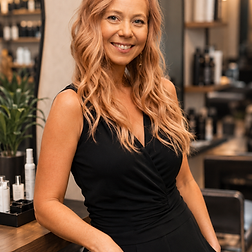
I'm Chantal Haberland, an organic colour specialist based in Surry Hills, Sydney, with over 25 years of industry experience. Here's what I've learned — including from cross-referencing research and working directly with dermatologists — about caring for both of these client types properly.
The Chemically Allergic and Reactive Client
Hair dye allergies can develop after years of trouble-free colour services, sometimes starting as mild symptoms that build over time into something more serious. Research shows the number of people affected by this is growing. Common reactions include scalp stinging, swelling, redness, burning, itching, flaking, irritation and dryness — most commonly linked to sustained exposure to high levels of ammonia and PPD together.
In an organic, low-tox system, these two ingredients are typically addressed as follows:
Ammonia is replaced with MEA (monoethanolamine), allowing for a genuinely ammonia-free colour service.
PPD is typically replaced with PTD. It's worth knowing that PTD-based colours can behave slightly differently — sometimes with a touch of translucency, or a marginally faster fade — which is why working closely with your brand's technical guidance matters for getting the best result.
The good news for colourists and clients alike: this archetype rarely complains or compares results to a traditional salon. They're genuinely just glad their hair health and safety are being looked after.
Being prepared matters. For mild reactions (itchy, dry, flaky scalp), the first step is a thorough wash with a shampoo that's fragrance-free, SLS-free, colour-free, GMO-free, paraben-free and pH-balanced, followed by a gentle emollient such as an aqueous cream to soothe the area until the right long-term product is identified. For more severe reactions, an over-the-counter mild steroidal cream and antihistamines can help control symptoms and limit damage during a flare-up, while the client seeks proper medical advice. It's a good reminder that conventional treatment manages symptoms, while a preventative, well-informed approach — knowing a client's history and watching for early signs — is what actually protects them long-term.
The Chemically Conscious and Preventative Client
This client isn't managing an allergy — they're making an informed, values-driven choice. Often deeply researched, this client is eco-conscious and genuinely interested in how certain chemicals interact with the body, frequently referencing "toxic load" as part of a broader low-tox lifestyle. Reducing synthetic chemical exposure is linked to a range of wellbeing benefits — from calmer, less inflamed skin to improvements in gut health, mental clarity and hormone balance.
This client is particular — about colour formulas, retail products, and the specific ingredients within them — and won't hesitate to question something they believe isn't right for them. The best response isn't defensiveness; it's genuine engagement. In some cases, that means contacting a product company directly, on the client's behalf, to ask exactly what percentage a flagged ingredient is used at. Trusted ingredient safety references can confirm whether a small percentage — say, around 0.13% — is genuinely considered safe at that level. Sometimes that information reassures the client and they proceed with confidence; sometimes they still say no. Either way, showing that level of curiosity and transparency builds real, lasting trust.
This client also tends to feel strongly about the brands they support — often seeing themselves as quiet activists for cleaner, more conscious business. They notice, and appreciate, a colourist willing to advocate alongside them.
Two Different Clients, One Shared Expectation
Whether someone is sitting in the chair because they physically can't tolerate certain chemicals, or because they've simply chosen not to, the expectation is the same: real knowledge, real transparency, and a colourist who takes their concerns seriously rather than dismissing them.
If you're managing a sensitivity or simply want a more conscious approach to your hair colour, I'd love to talk it through with you. Book a consultation at my Surry Hills studio in Sydney, and we'll find the right, safe formulation for your hair and your values.


Comments